
Blog
Pepper spray and tear gas: effective protection for personal safety


Pepper spray and tear gas: what they are, the difference and a brief history
Pepper spray (OC spray) and tear gas are among the best-known means of personal protection. In this guide we explain what they contain, how they work, the difference between pepper spray and tear gas, and how they developed through history. At the end of the text there is an FAQ section with the most common questions.
Author: Army Shop •20 February 2026
What is pepper spray (OC spray)?
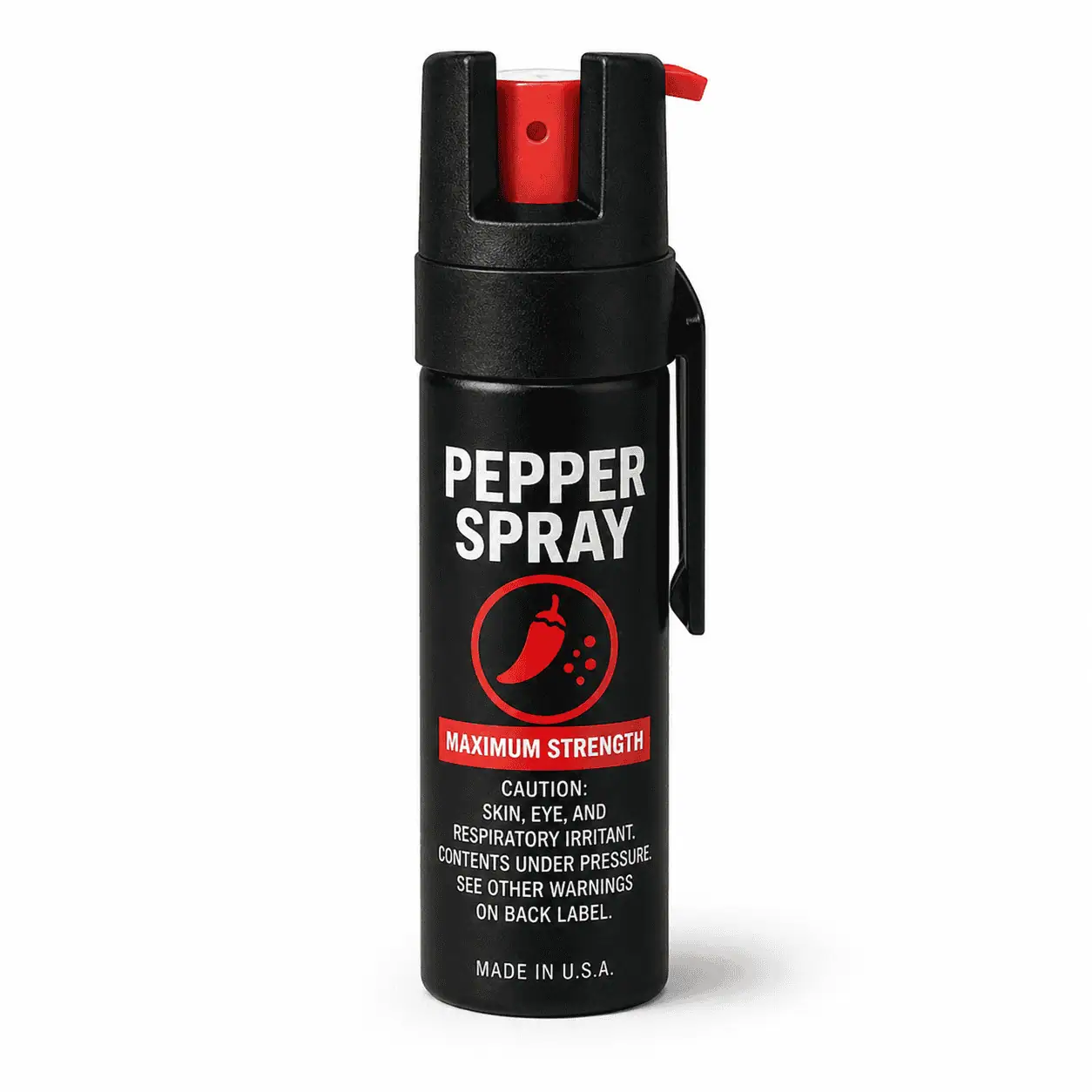
Pepper spray, also known as OC spray (Oleoresin Capsicum) is a personal protection product containing active components derived from hot peppers. On contact with mucous membranes it can cause intense stinging, watering eyes and irritation of the airways, which can make it harder for an attacker to continue and give the user a chance to get away from a dangerous situation.
In practice, "pepper spray" is often mentioned alongside terms such as self-defence spray, personal protection spray or simply defence spray.
What is tear gas?
tear gas is a general term for chemical irritants (most often in aerosol form) that cause tears, stinging and an unpleasant feeling in the eyes and airways. In everyday speech people often call all these sprays "tear gas", although in practice this can mean different formulations.
Because formulations differ, not every "tear gas" is the same, which is why it helps to understand the difference between pepper spray (OC) and other irritants.
Pepper spray vs tear gas: what is the difference?
The simplest explanation is: pepper spray (OC) is based on capsaicinoids from hot peppers, while the term tear gas can also refer to other chemical irritants. In practice, pepper spray is often seen as a popular choice for personal protection precisely because of its distinctive "peppery" effect.
- Pepper spray (OC spray): linked to capsaicinoids from hot peppers (capsaicin and related substances).
- Tear gas: a broader term used in everyday speech for several types of irritant sprays.
- Effect: both cause tearing and irritation, but the intensity and sensation may depend on the formulation.
Important: legal status and rules on buying/carrying may differ from country to country, so it is always recommended to check the current regulations for your location.
Pepper spray composition: the most common components
Although formulations vary from manufacturer to manufacturer, pepper spray (OC spray) usually contains the following groups of ingredients:
- Oleoresin Capsicum (OC): an extract of hot peppers containing capsaicinoids.
- Capsaicinoids (e.g. capsaicin): the active substances responsible for stinging and irritation.
- Carrier / solvent: helps disperse the active substances evenly (depending on the formulation).
- Propellant: gas or pressure that allows the contents to be expelled from the canister.
- Stabilisers: contribute to the stability and consistency of the product.
Safety note: This text is for information only. It does not contain instructions for making or misusing these products. Always act responsibly and in line with the law and the manufacturer's instructions.
History: from "pepper powder" to modern OC spray
Ancient beginnings
The idea of using hot substances to temporarily incapacitate an opponent is not new. Various cultures mention using ground hot peppers and similar irritants (in powder form) to cause disorientation, watering eyes and discomfort.
Development in the modern era
In the 20th century, interest grew in so-called less-lethal means for control and self-defence, so various formulations of irritant agents were researched. Over time, the use of oleoresin capsicum (OC) as the distinctive active ingredient of pepper spray.
During the late decades of the 20th century, aerosol pepper spray became widely known, first through official use and then in a civilian context, with different rules and regulations from country to country.

Modern use
Today pepper spray (OC spray) and related irritants are used in various personal protection situations, but it is important to stress that any use must be lawful and responsible. Products also differ in specifications and purpose, so it is recommended to always pay attention to regulations, quality and proper storage. It is also called tear gas, protection spray, self-defence tear gas, etc.
Pepper spray and personal protection products at Army Shop
If you are looking for self-defence spray or personal protection device, it is important that the product is of proven quality and complies with current regulations. Army Shop strives to offer a choice of quality personal protection products, with clear specifications and responsible customer information.
See the range:
(Here you can replace the link directly with your "Personal protection / pepper spray / tear gas" category if you have one.)
Frequently asked questions (FAQ)
Is pepper spray the same as tear gas?
The terms are often mixed up in everyday speech. Pepper spray usually means OC spray (oleoresin capsicum), while "tear gas" can be a broader term for various irritant sprays. There are differences in formulation, but both can cause watering eyes and irritation. What does OC spray mean?
OC stands for Oleoresin Capsicum, an extract of hot peppers containing capsaicinoids (e.g. capsaicin) responsible for the characteristic irritation and stinging. Is pepper spray legal?
Rules differ between countries and sometimes by local regulations. Before buying or carrying, it is recommended to check the applicable laws and conditions (e.g. age restrictions, maximum volume, manner of carrying). What is a good synonym for pepper spray?
Terms such as "self-defence spray", "personal protection spray", "defence spray" or "OC spray" are often used. Even so, it is always a good idea to check the product specification to know which formulation it contains.
Conclusion
Pepper spray (OC spray) and tear gas are terms often used together, but they are not always the same. Understanding the differences, basic composition and history helps you look at the topic realistically and responsibly. If you are considering a means of personal protection, always check the regulations and choose proven quality.
Note: This content is for information only and does not constitute legal advice. Regulations may change, so check current laws before buying/carrying.


 Patches
 Dog tags
 Balaclavas and neck gaiters
 Belts, braces and duty belts
 Hats, caps and wide-brim hats
 Scarves
 Sunglasses
 Wallets
 Gloves
 Zippo Lighters and Zippo Accessories
 Jackets
 Trousers
 Sweatshirts
 T-shirts
 Shirts
 Shorts
 Windbreakers
 Vests
 Boots
 Shoes
 Trainers
 Footwear accessories
 Backpacks
 Bags
 Pouches
 Torches
 Pepper Sprays and Tear Gas
 Binoculars and compasses
 Knives, Tools and Batons
 Slingshots
 Other Gear